Belmont, the Bronx
The neighborhood behind Arthur Avenue
A working guide to Belmont from someone who spends his days on its blocks: where it starts and stops, how the streets run, what the avenue is, and what a resident actually needs to know.
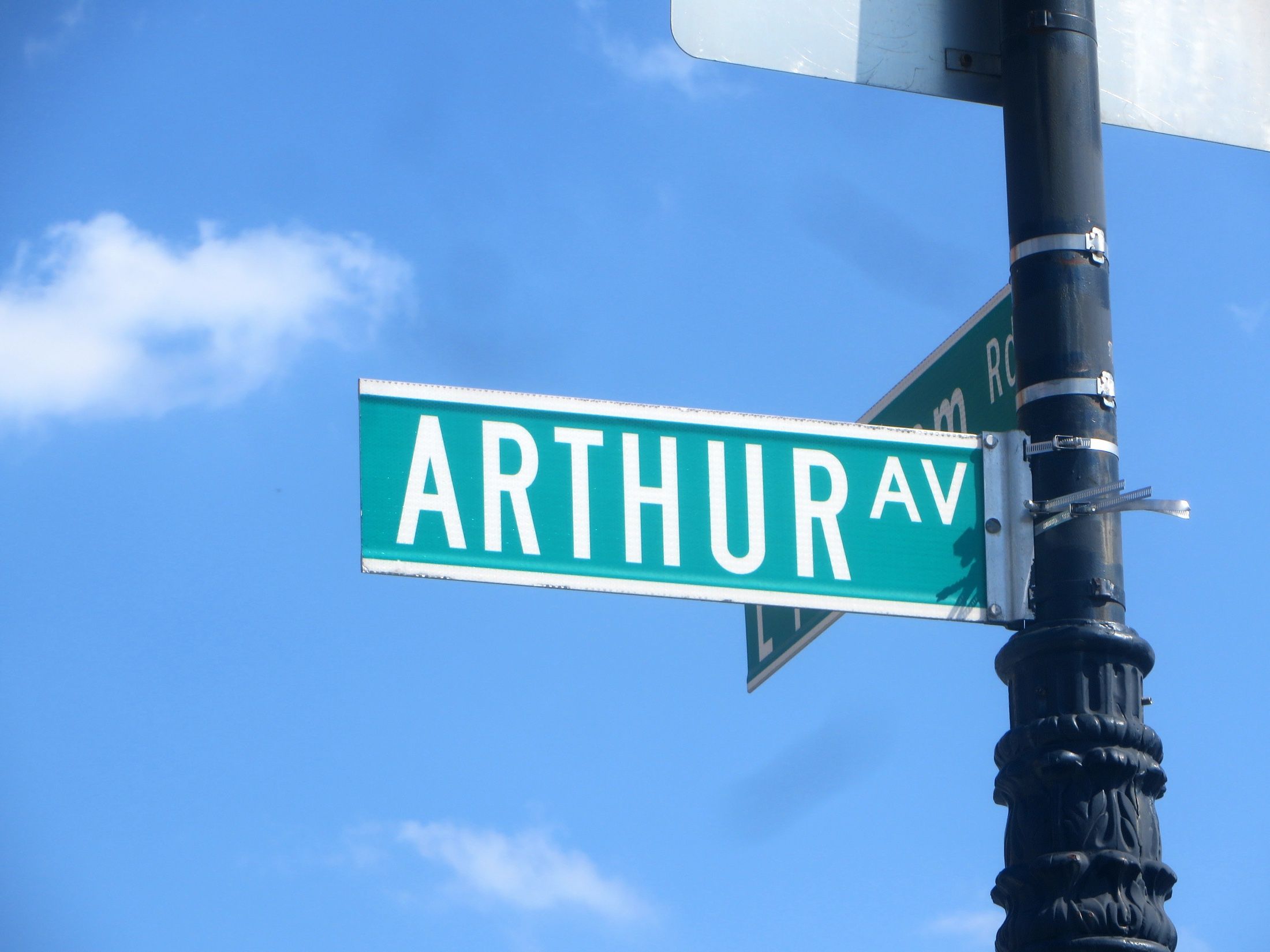
Richard Joseph Spinelli writes this guide from Belmont, the Bronx neighborhood where the company he cofounded, Sandhills Real Estate, owns and runs student housing a few blocks from Fordham University. It is a small place with a large reputation, and the reputation, Little Italy, covers only part of it. The rest is a residential neighborhood of prewar walk ups and attached houses, a hospital, a library, two churches worth knowing, and a university at its northern edge.
Where Belmont starts and stops
The commonly used boundaries are Fordham Road to the north, Bronx Park to the east, East 181st Street to the south and Third Avenue to the west. Inside that box the neighborhood sits in Bronx Community Board 6 and is patrolled by the NYPD's 48th Precinct. Fordham University's Rose Hill campus is across Fordham Road to the north, the Bronx Zoo and the New York Botanical Garden are across Southern Boulevard to the east, and Fordham Heights and the Grand Concourse are a long block west of Third Avenue.
How the streets run
Belmont is easiest to picture as a set of avenues running roughly north to south, crossed by numbered streets. From west to east they are Bathgate Avenue, Lorillard Place, Hoffman Street, Arthur Avenue, Hughes Avenue, Belmont Avenue, Cambreleng Avenue and Crotona Avenue. East 187th Street is the cross street everyone knows, because the stretch of it between Arthur Avenue and Hughes Avenue holds the pastry shops and the church. The grid tilts with the rest of the Bronx, so north on a map is not quite straight ahead on the sidewalk.
What it is known for
Arthur Avenue, and the food on it. The avenue carries a president's name given by a tobacco heiress, the neighborhood carries the name of her family's estate, and the Italian community grew from the crews who built the zoo and the garden at the turn of the century. The indoor market dates from 1940, when the pushcarts came in off the street. The Arthur Avenue page tells that story in full, and the restaurants page names the rooms and counters.
Who lives here now
The storefronts are more Italian than the population, which has been mostly Hispanic for decades, with Black, white and Asian residents alongside, and with a large student presence on the northern blocks because of Fordham. Albanian families and businesses are part of the avenue's story as well. Belmont is a working neighborhood that happens to have a famous street, and a guide that stops at the street misses most of it.
Institutions to know
Our Lady of Mount Carmel Church on East 187th Street, founded in 1906, is the neighborhood's anchor and the home of its summer feast. St Barnabas Hospital occupies the blocks on the western edge. The Belmont branch of the New York Public Library opened in 1981. The Belmont Business Improvement District runs the merchants' association, including the Ferragosto festival at the end of summer. And Fordham University's Rose Hill campus sits just north of Fordham Road, which is why so many of the apartments south of it are leased to groups of students.
The guide
Six pages, one neighborhood
The avenue
Arthur Avenue
History, the indoor market, the festivals and the films, on the 1.2 miles between Crotona Park and Fordham Road.
ReadEating
Restaurants, bakeries and counters
The old rooms, the pizza ovens, the pork stores and the pastry shops, with no hours or prices, since both change.
ReadLiving
Apartments near Arthur Avenue
What the prewar walk ups and townhouses are like, and how the student leasing year works around them.
ReadArriving
Getting there
No subway stops on the avenue, so a train plus a walk or a bus. Every real option, with a diagram.
ReadPractical
Safety in Belmont
The precinct, the campus public safety office and the merchants who know the block. No statistics, just what residents use.
ReadReading
Notes
Longer pieces on the market, the festivals and the neighborhood on film.
Read